
Pattaya is the kind of place where your feet work overtime. Between beach walks, night markets, long hotel corridors, and day trips, it’s easy to end up with tight calves, sore arches, and that heavy “my legs are done” feeling by evening.
A good Thai foot massage can feel like someone hit the reset button on your whole body lighter steps, calmer mind, better sleep. But many travelers also have a very reasonable question: is Thai massage safe, especially in a busy tourist city with so many options?
This guide is designed to help you get the relaxing benefits without the guesswork. You’ll learn what a quality Pattaya foot massage should look like, how to choose a safe provider, who should avoid certain techniques, and what to do before and after your session so you leave refreshed not bruised or anxious.
Foot massage in Pattaya: what you’re actually booking
In Pattaya, “massage” can mean a lot of different things. When your goal is comfort and recovery (not a gamble), it helps to know the common categories and what they usually involve.
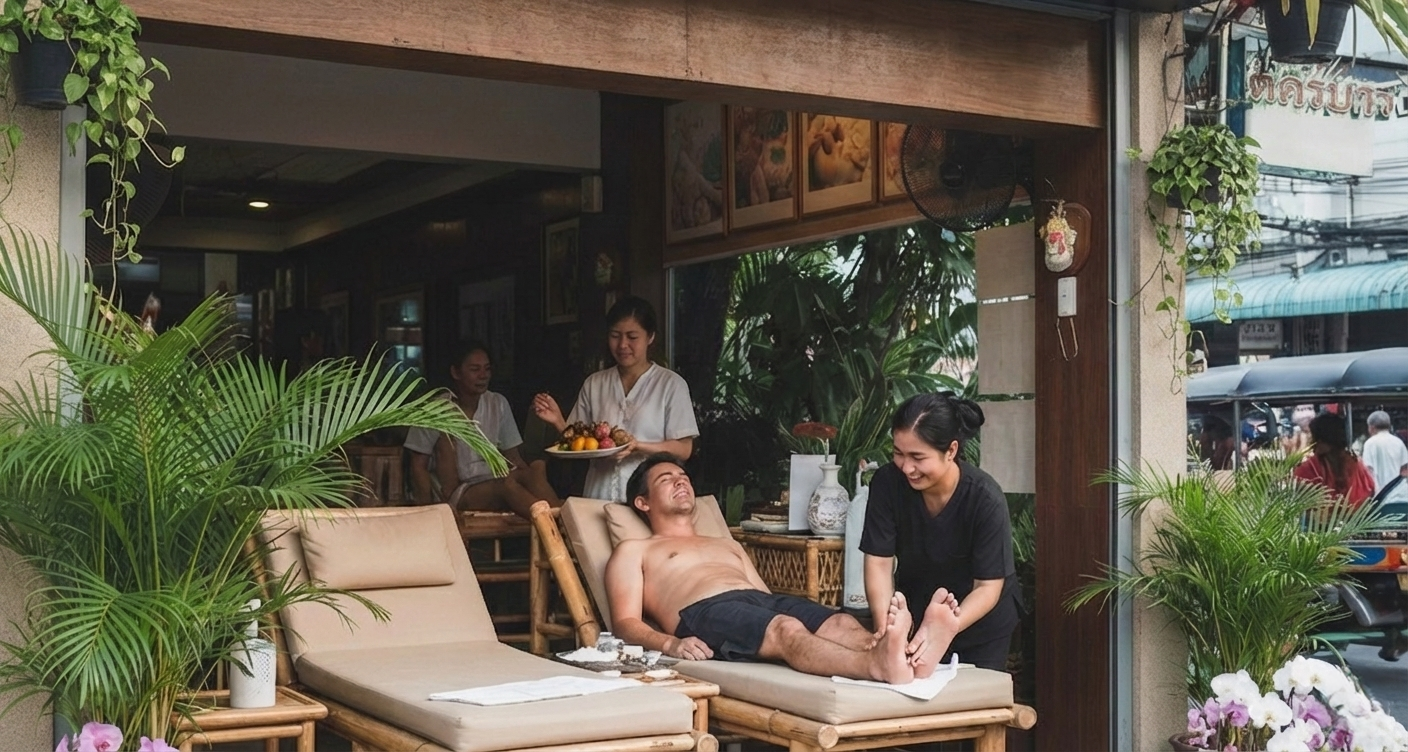
Thai foot massage is typically a seated treatment focused on the feet, ankles, and lower legs, often using hands, thumbs, and sometimes a reflexology stick. Many sessions include a brief shoulder/arm massage at the end. Pressure can range from gentle to surprisingly deep, especially along the arches and calves.
Reflexology-style foot massage is a technique that targets specific points on the feet believed (in traditional practice) to correspond to different body systems. Some people love the focused pressure; others find it intense. It shouldn’t feel sharp, alarming, or like you’re being “punished” for having tight feet.
Traditional Thai massage is a full-body, clothed massage that includes stretching and bodyweight-assisted pressure. It can be extremely beneficial but if you came in expecting a relaxing foot rub, this can feel too strong, too fast.
If your primary need is sore feet from travel, start with a dedicated foot massage rather than a full traditional Thai session. You can always “upgrade” later once you know your comfort level.
Is Thai massage safe? The honest answer (and what makes it unsafe)
For most healthy adults, Thai massage and Thai foot massage are generally safe when done by a trained therapist who adjusts pressure to the client. Problems usually happen when one of three things is missing:
Clear communication, proper hygiene, or basic screening for health risks.
A common myth is that massage “releases toxins” and that feeling unwell afterward means your body is detoxing. In reality, massage mainly supports normal body processes circulation, lymphatic flow, and nervous system relaxation. You might feel a little sore or sleepy after deep work, especially if you were dehydrated or very tense to begin with. That’s not necessarily dangerous; it’s often your body settling down after stimulation.
What isn’t normal is feeling harmed: sharp pain during the session, worsening swelling, numbness, or symptoms that don’t settle within a day.
A safe therapist will never treat pain as proof the massage is “working.” The goal is relief, not endurance.
When Thai foot massage isn’t a good idea (or needs extra care)
There are situations where you should skip foot massage, choose a gentler style, or speak with a clinician first. The most important point is this: a responsible spa will take your concerns seriously and help you choose what’s appropriate.
Be cautious if you have:
- A recent injury (sprain, fracture, torn ligament) or ongoing severe pain in the foot/ankle
- Open cuts, rashes, fungal infections, or skin inflammation (both for your safety and hygiene)
- Diabetes with reduced sensation (neuropathy), because you may not accurately feel “too much” pressure
- Blood clot risk, recent surgery, or significant varicose veins—deep calf work may not be appropriate
- A bleeding disorder or you’re taking blood thinners, as bruising is more likely
- Uncontrolled high blood pressure or a serious heart condition, especially with very vigorous techniques
- Pregnancy, particularly early pregnancy or if you have complications—gentle, pregnancy-appropriate massage is a different category
If any of these apply, consider a lighter relaxation massage (or ask for a modified session that avoids risky areas). And if you’re unsure, it’s smarter to ask before you book than to “test it” and hope for the best.
How to find the best (and safest) foot massage in Pattaya
Pattaya has everything from quick walk-in shops to full-service spas. A great experience is less about the fanciest décor and more about standards and professionalism.
Here’s what “best” really looks like in practice.
Signs you’re in a safe, reputable place
A quality provider usually does small things that add up to big safety:
They ask questions not in an intrusive way, but enough to understand your needs. “Any injuries? Any medical conditions? How strong do you like the pressure?” is a green flag.
They set expectations. You’ll be told the duration, what the session includes, and how to request adjustments.
They prioritize cleanliness. Fresh towels, a clean foot wash setup, and tidy treatment areas matter more than tourists realize. If tools are used (like a reflexology stick), they should be clean and handled professionally.
They respect boundaries. The interaction feels calm, clinical, and normal—no pressure, no awkwardness.
Red flags that are easy to miss (but shouldn’t be ignored)
If you notice any of the following, it’s reasonable to walk out before you start:
- They dismiss pain concerns or insist “strong is always better”
- The foot wash area or linens look questionable
- They won’t explain what’s included or won’t adjust pressure when asked
- You feel rushed, uncomfortable, or pushed into add-ons you didn’t request
Trust your instincts here. Massage is intimate bodywork. If your nervous system feels unsafe, you won’t fully relax and the session won’t deliver what you came for anyway.
If you want a simple, low-stress rule: choose the place that makes it easy to communicate. Many readers find that spas connected to established accommodation or wellness facilities tend to be more consistent in hygiene and service standards.
What a great Pattaya foot massage session should feel like
A high-quality foot massage doesn’t need to be dramatic. It should feel grounding, relieving, and controlled.
Most sessions begin with a brief cleanse or soak. This isn’t just “nice” it’s practical hygiene and helps soften tissues. The therapist will then work through the feet and lower legs gradually, warming the area before deeper pressure.
Expect some tender points, especially if you’ve been walking a lot or wearing unsupportive shoes. But there’s a difference between “that’s tight” and “that’s wrong.”
A useful guideline: you should be able to breathe normally and unclench your jaw. If you’re holding your breath, tensing your shoulders, or bracing for the next press, the pressure is too much for your body right now.
Before the session ends, many therapists do a short shoulder/neck sequence. It’s often the moment you realize your entire body has been carrying tension not just your feet.
Before and after: small habits that make Thai massage safer (and better)
The best results come from what you do around the massage, not only during it.
Before your foot massage
Try to arrive not too hungry and not overly full. A light meal beforehand is usually ideal. If you’ve been out in the sun, sweating, or traveling, drink water dehydration makes post-massage fatigue and headaches more likely.
If you’re new to Thai foot massage, consider starting with a shorter session or asking for medium pressure. You can always request deeper work on a second visit once your tissues are more receptive.
Most importantly, tell the therapist what matters:
- Where it hurts (arch, heel, toes, calves)
- What you don’t want (e.g., “No deep calf pressure”)
- Any medical considerations (even if they seem minor)
That one minute of communication often separates an “okay” massage from an excellent one.
After your foot massage
Give your body a little time to integrate. Many people feel calm and slightly “floaty” afterward, which is part of the relaxation response.
For the next few hours, aim for hydration and low-stress movement. A gentle walk is fine; a heavy workout right away may feel harder than usual.
If you can, avoid the common “benefit killers” right after a Thai massage: heavy alcohol, lots of caffeine, and rushing back into stress. You don’t have to be extreme just protect the calm you paid for.
Normal soreness vs. warning signs: when to pay attention
A little tenderness especially in the arches and calves can happen after deeper work. Mild fatigue is also common. Most of the time, this settles within 24 hours.
Pay closer attention if you experience:
- Significant swelling in one leg or calf pain that feels unusual
- Numbness, tingling, or weakness that doesn’t fade
- Severe bruising, intense pain, or difficulty walking
- Dizziness, shortness of breath, or chest discomfort (seek urgent care)
These are not typical “post-massage detox” symptoms. When in doubt, treat safety as the priority and get medical advice.
A simple way to make foot massage part of your Pattaya routine
Many travelers try one foot massage and then wait until they’re sore again. A better approach is to use it as preventive care especially if you’re walking a lot or spending long hours on your feet.
You might explore a rhythm like: one session early in your trip to loosen up, and another after your busiest day. If you’re someone who carries stress in your calves and ankles, don’t miss the benefit of consistency your second session often feels better than your first because the tissues aren’t starting from “overloaded.”
If you prefer a quieter, more controlled environment, consider booking in advance with a spa that offers a brief consultation and a calm setting. That small step removes the uncertainty and makes relaxation much easier to access.
The takeaway: yes, Thai foot massage can be safe when you choose well
The best foot massage in Pattaya isn’t just the one that feels good in the moment. It’s the one that leaves you genuinely better afterward: lighter steps, softer calves, calmer nerves, and no lingering worry.
Choose a clean, professional provider. Communicate your pressure preferences. Treat soreness as feedback not something to “push through.” And if you have a medical condition that changes your risk, don’t hesitate to ask for a gentler approach.
When you do it right, Thai foot massage becomes one of the simplest wellness upgrades you can add to a Pattaya trip. If you’re ready, consider scheduling a session on a day you can move slowly afterward—then notice how much more enjoyable everything feels when your feet aren’t complaining.




1 Comment