

Pattaya can feel like two destinations in one: a lively beach city with famous nightlife, and a surprisingly convenient base for families, couples, food lovers, and day-trippers. First-timers often arrive excited and then get overwhelmed by the choices (where to stay, how to get around, what to avoid, what’s actually “worth it”).
This guide is designed to remove the guesswork. You’ll know how Pattaya is laid out, how to move around cheaply and safely, what to expect from the beaches, and how to enjoy the city confidently without falling into the common first-visit mistakes.
Know the “real” Pattaya: neighborhoods matter more than you think
Most Pattaya stress comes from picking the wrong area for your travel style. Pattaya is compact in its core, but the vibe changes quickly as you move north or south.
Central Pattaya and Beach Road are convenient if you want to be in the middle of everything shopping malls, restaurants, beach access, and easy transport. It’s busy and energetic, especially after dark.
North Pattaya, Naklua, and Wongamat tend to feel calmer and a bit more “residential-holiday,” with plenty of good hotels and a slower pace. Many first-timers who want a quieter stay still choose this side because it’s close enough to the action without being inside it.
Pratumnak Hill sits between Central Pattaya and Jomtien and is often overlooked. It’s a good middle ground: quieter streets, quick access to viewpoints, and less late-night noise.
Jomtien is popular with longer-stay travelers, families, and anyone who wants more space and a more relaxed beach-town feel. It’s still easy to reach central areas, but you’ll appreciate the breathing room at the end of the day.
If you’re unsure, a smart approach is to stay somewhere calm (sleep matters more than people expect) and “commute” into the busy zones when you actually want them.
{advertisement:Private Chalet Stays in Pattaya}
Time your trip: weather, crowds, and what “cheap” really costs you
For many travelers, the most comfortable months are November through February less humidity, cooler evenings, and generally easier sightseeing. This is also peak season, so popular hotels and well-reviewed rooms sell out early.
March and April are hot. If you’re planning beach time and pool time, you’ll be fine but midday walking can be exhausting, especially if you’re not used to tropical heat.
May through October tends to be the wetter, lower-demand period. You can often find better deals, but you’re trading price for unpredictability: sudden downpours, choppier seas for boat trips, and the occasional plan that needs a backup option.
One date-range to note: Songkran (Thai New Year) is typically celebrated around April 13–15 and turns many streets into a water festival. It’s a blast if you want it and inconvenient if you didn’t realize what you were walking into. If you travel during Songkran, protect your phone and passport like it’s your job.
Getting to Pattaya from Bangkok: choose convenience over confusion
Pattaya is roughly a 2–3 hour trip from Bangkok depending on traffic and where you’re starting. First-timers usually do best with simple, reliable transport especially if you’re landing with luggage and jet lag.
If you want the least friction, a private taxi or pre-arranged transfer is straightforward: door-to-door, no station navigation, no “which bus?” anxiety. It’s also the easiest option if you arrive late at night.
Buses and shared vans can be cheaper, but they come with trade-offs (fixed departure points, longer waits, and less comfort with bulky bags). They can be great once you’ve done Pattaya once and know the rhythm but for your first arrival, convenience often wins.
Micro-CTA: if you’re arriving on a tight schedule (check-in times, dinner plans, a sunset boat), consider paying a little extra for the option that removes variables.
Getting around Pattaya: the simple system that saves you time and money
Pattaya is easy to navigate once you accept one truth: you don’t need a rental car to enjoy Pattaya. In fact, driving can add stress because traffic is chaotic, parking is inconsistent, and road habits are different from what many visitors expect.
For most visitors, the best mix is:
Baht buses (songthaews) for cheap, frequent rides along common routes. Think of them like shared pickup-truck minibuses. They’re ideal for short hops and casual exploration, especially along major roads. If you’re watching your budget, this becomes your everyday transport.
Ride-hailing apps (like Grab or Bolt) when you want a clear price, a direct route, air-conditioning, or you’re traveling with a group. One small trick that makes a big difference: set your hotel as a saved location so you can always “get home” even if you’re tired, sweaty, or turned around after dinner.
Motorbike taxis are fast, but they’re best reserved for short rides when you’re comfortable with the risk profile. If you use them, wear a helmet whenever one is available and keep a tight hold on your phone.
If you’re thinking about renting a scooter, be honest about your experience level. Many travelers underestimate how quickly a “fun” ride can become a vacation-derailing injury. If you do rent, make sure your license and insurance actually cover you and keep your cool Pattaya roads reward calm, not confidence.
Money, SIM cards, and the small essentials that prevent big headaches
You’ll have a smoother first trip if you plan your “basics” like a pro.
ATMs are everywhere, but it’s still wise to carry some cash for street food, local transport, markets, and small shops. Keep small bills handy breaking large notes at the wrong moment can be surprisingly annoying.
For connectivity, get a Thai SIM or eSIM early in your trip. Reliable data makes everything easier: maps, ride-hailing, translations, and contacting your accommodation. If you only do one “prep task,” do this one.
Also, set yourself up for the moments that catch tourists off-guard:
- Keep a photo copy of your passport and entry stamp page on your phone (and store the original safely when possible).
- Save Tourist Police: 1155 in your contacts for peace of mind.
- Carry mosquito repellent, especially for evenings and green areas.
- Keep your travel insurance details easy to find (not buried in email).
These aren’t dramatic tips. They’re the quiet habits that stop small problems from turning into time-wasting emergencies.
Safety and scams: enjoy Pattaya, just don’t be the “easy target”
Pattaya is not inherently unsafe, but it is tourist-heavy which means opportunists exist. The good news is that most issues are preventable if you stay aware and don’t “outsource” your judgment.
On the beach, be cautious with jet ski rentals. Pattaya has had a reputation for damage-claim disputes in the past. Even if you hear it’s improved, don’t assume every vendor is trustworthy. If you rent, take clear photos and video of the vehicle first, and consider choosing operators with visible rules and staffed counters rather than informal setups.
In crowded areas (and on shared transport), guard against pickpocketing. The simplest fix is also the most effective: keep your wallet in a front pocket or a crossbody bag you can hold, and avoid flashing large amounts of cash.
Another pattern in busy nightlife zones is overpriced or unclear bills. You don’t need to avoid nightlife you just need to stay intentional. Before you order, glance at prices. If something feels vague, ask once, politely, before you commit. And if you’re drinking, keep your drink in sight and pace yourself; most bad nights start with “I didn’t think it would hit me that fast.”
Loss-avoidance reality: ignoring basic precautions can cost you more than money it can cost you entire days of your trip.
Culture and etiquette: the fastest way to get better service (and warmer smiles)
Thailand is famously friendly, and Pattaya is used to visitors but respectful behavior still matters. The small courtesies go a long way, especially outside the most tourist-saturated streets.
Learn two phrases and actually use them:
- Sawasdee (hello)
- Khob khun (thank you)
Add khrap (typically used by men) or kha (typically used by women) at the end to sound polite. Even a simple attempt often gets you an extra smile and better patience when you need help.
When visiting temples, dress modestly (covered shoulders and more coverage than beachwear), and remove shoes where appropriate. Around monks, be mindful of personal space and follow the behavior you see locals practicing.
Also, avoid casual “hot takes” about Thailand’s monarchy. Thailand has strict laws and strong cultural norms around this topic; even joking can create serious trouble. The easiest rule is the best one: don’t bring it up.
Pattaya is also visibly diverse, including Thailand’s well-known gender diversity. Treat people with respect, skip the stereotypes, and you’ll find most interactions easy and welcoming.
Beaches and day trips: set expectations and you’ll enjoy them more
Pattaya’s beaches are convenient and social, not secluded and untouched. If you arrive expecting “deserted island” sand, you’ll be disappointed. If you arrive expecting a lively beachfront with chairs, snacks, activities, and sunset views, you’ll have a great time.
For a classic beach day with more of that postcard feel, many first-timers love taking a day trip to Koh Larn (Coral Island). It’s close enough to be easy, but different enough to feel like a real escape. Another popular option for swimming-focused beach time is to head a bit farther out to Sai Kaew Beach (often recommended for clearer water and a more “day-out” atmosphere).
Micro-CTA: don’t wait until you’re already tired and sunburned to plan a day trip. If a better-beach day matters to you, schedule it early in your stay.
Food, heat, and staying comfortable (so your trip doesn’t feel like a test)
One of Pattaya’s best features is how easy it is to eat well whether that’s street food, seafood, international restaurants, or quick convenience-store stops when you need something fast.
If you’re new to Thai spice levels, start mild and build up. Staying hydrated matters more than you think in Pattaya’s heat; many “mystery headaches” are just dehydration plus sun.
Street food is often excellent. A practical rule many travelers follow: choose stalls with steady turnover and food that’s cooked to order. Carry tissues or wet wipes, and don’t be shy about asking for “not spicy” if your goal is to enjoy your day, not prove something.
If you’re vegetarian or vegan, look for “jay” options (often associated with Thai-Chinese vegetarian food) or ask simply for no meat. Pattaya is tourist-friendly enough that most places can adapt.
Build in recovery time: Pattaya is better when you’re not exhausted
Pattaya days can stack up fast heat, walking, late nights, and sensory overload. Many first-timers try to pack too much into each day and end up feeling oddly drained halfway through the trip.
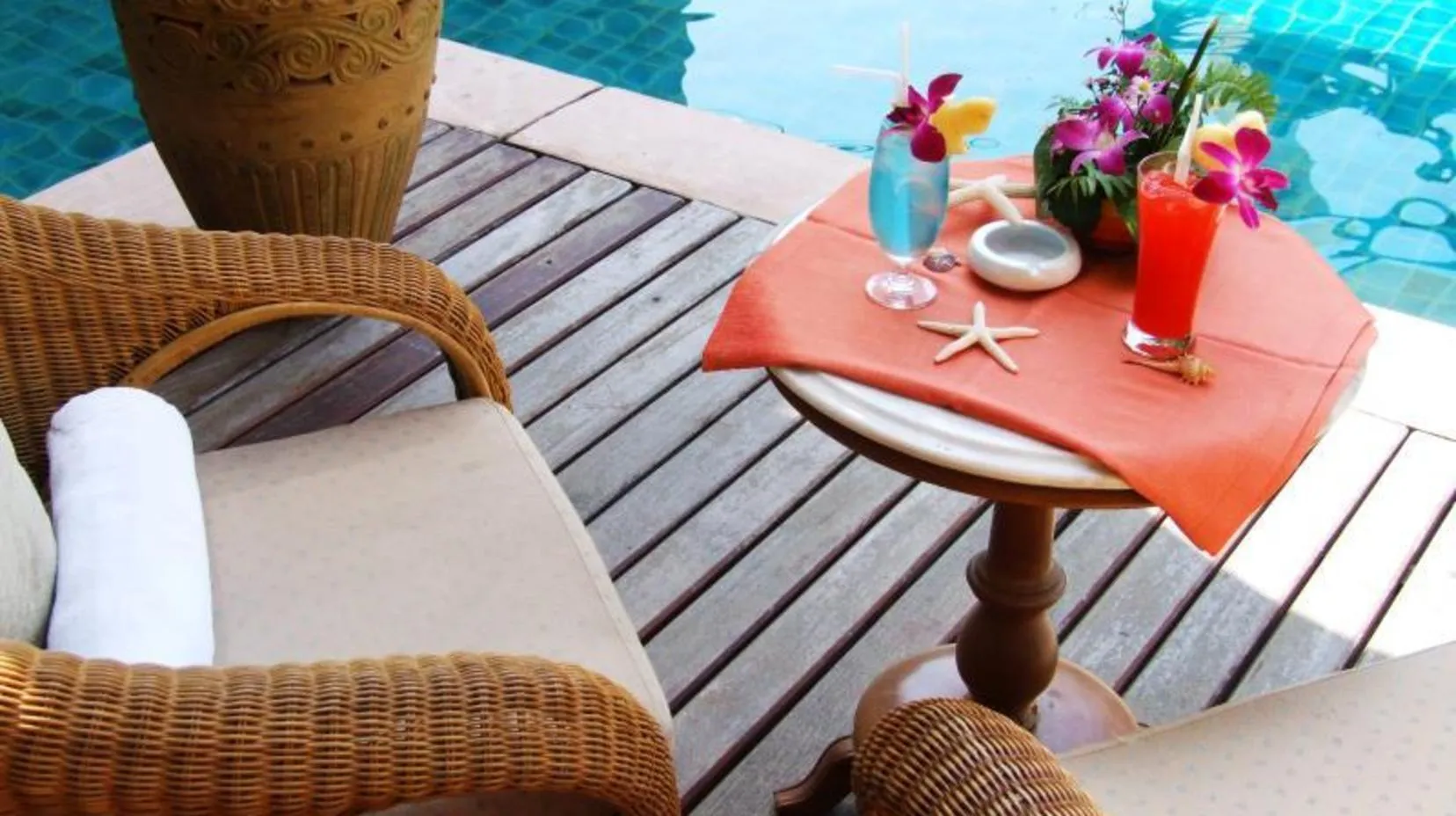
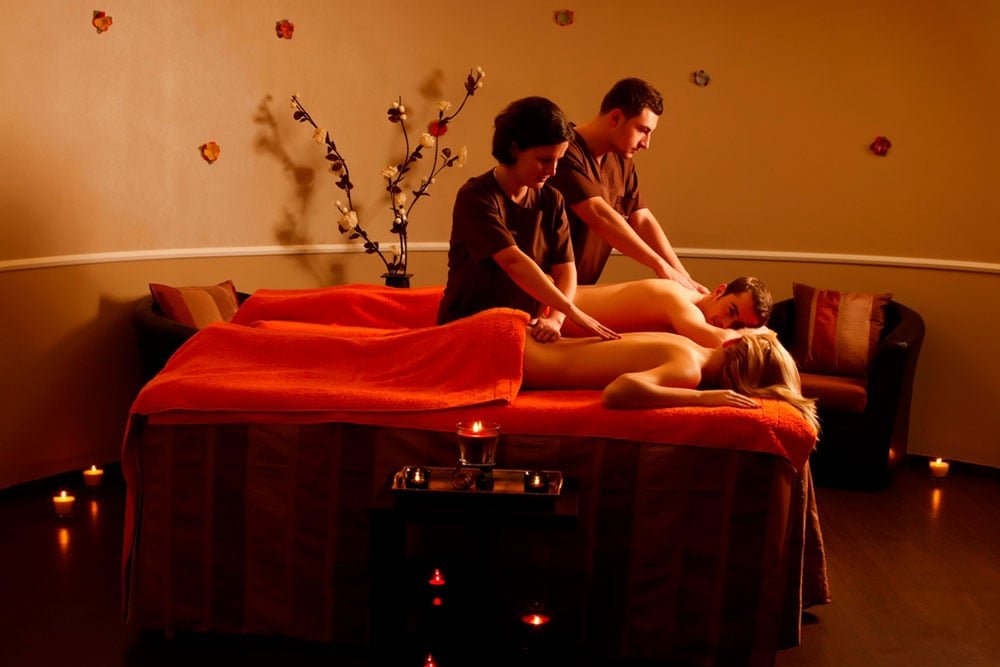
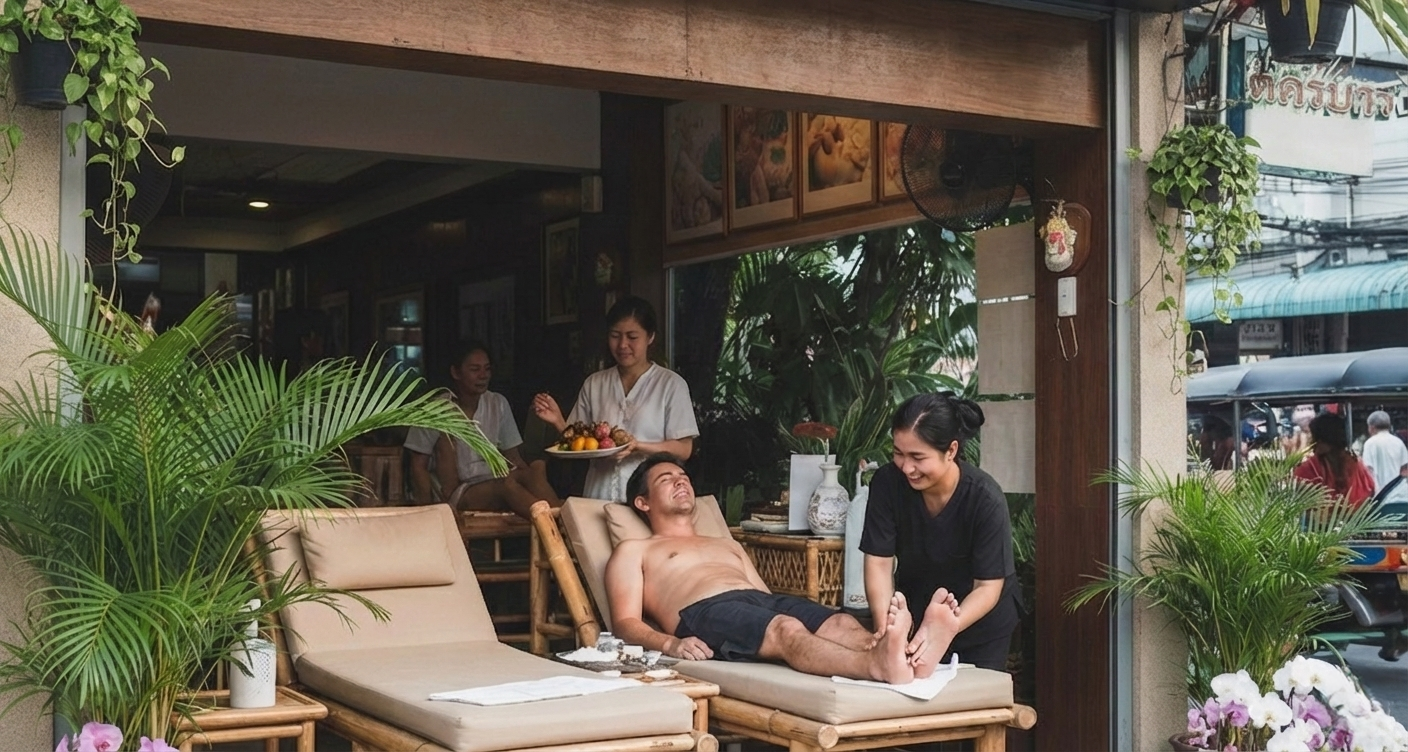
A smarter plan is to intentionally schedule downtime: a slower morning, a pool hour, or a wellness break between sightseeing and dinner. It’s not “doing less” it’s protecting the energy you came here for.
{advertisement:Thai Massage and Spa Sessions}
A simple way to plan your first Pattaya trip with confidence
If you remember nothing else, remember this: Pattaya rewards travelers who stay flexible but grounded. Choose an area that fits your sleep needs, use baht buses and ride-hailing to keep transport simple, protect your valuables in crowded zones, and plan one beach day trip so you don’t leave thinking you “missed the real Thailand.”
When you’re ready, take the next step by mapping out your base, your must-do experiences, and one dedicated rest day then let Pattaya surprise you in the best ways.


1 Comment
Best place in Thailand