
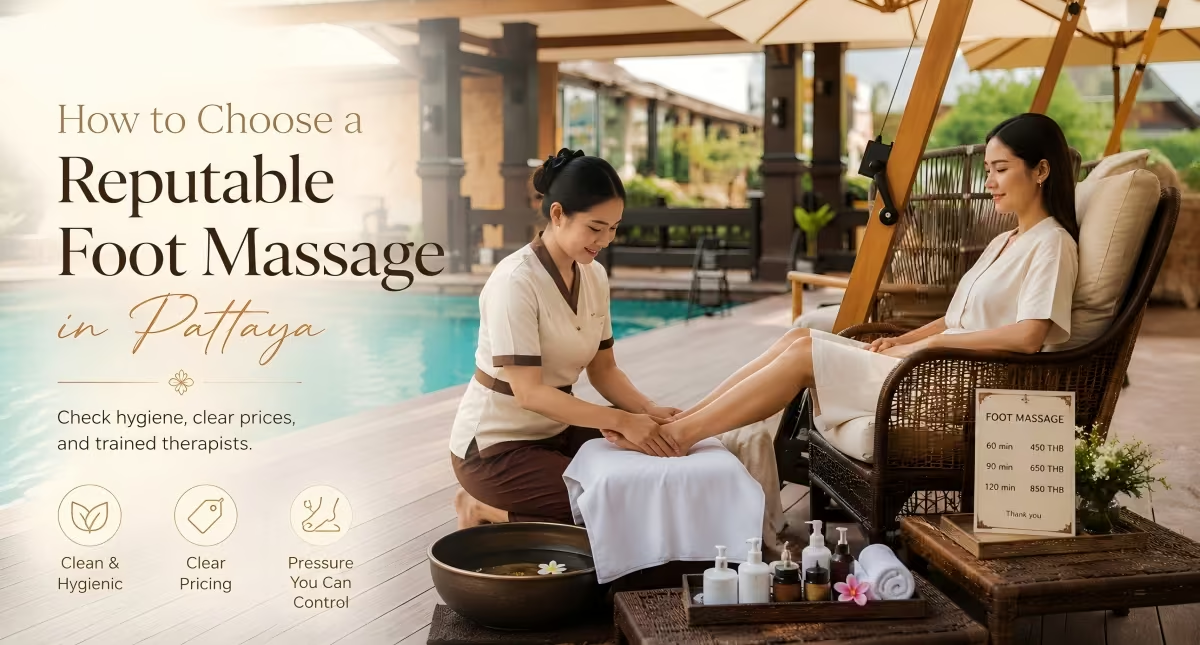
Learning how to choose a reputable foot massage in Pattaya matters when a long day of beach walks, markets, malls and sightseeing leaves your feet tired.
The city has everything from simple open-front massage shops to structured day spas and hotel wellness facilities. Price and décor vary, but neither automatically tells you whether the treatment will be hygienic, professional or suited to your body.
The safest approach is to check the establishment, confirm exactly what you are booking and notice how staff respond when you ask about pressure, hygiene and boundaries.
Quick Answer: How Do You Choose a Reputable Foot Massage in Pattaya?
To choose a reputable foot massage in Pattaya, look for a licensed health-massage establishment with posted services and prices, clean towels and tools, registered or trained therapists, and staff who explain the treatment and adjust pressure immediately. Leave if pricing is vague, hygiene looks poor, boundaries are dismissed, or staff pressure you into unwanted services.
| Check | Green flag | Red flag |
|---|---|---|
| License | License or registration can be shown | Staff avoid the question |
| Price | Service, duration and total price are clear | Price changes after you sit down |
| Hygiene | Fresh linen and cleaned tools | Stained towels or reused equipment |
| Communication | Pressure and boundaries are confirmed | Pain is dismissed |
| Reviews | Consistent comments about cleanliness and respect | Repeated complaints about time or pricing |
| Health screening | Staff ask about injuries or relevant conditions | Deep pressure starts without questions |
A reputable experience is not defined by marble floors, luxury robes or the cheapest promotional board. It is defined by standards that can be checked before the massage starts.
What Makes a Pattaya Massage Shop Reputable?
Thailand regulates health-focused spa and massage businesses under its health-establishment framework.
Official operating standards include visible service and price information, hygienic cleaning of equipment after use, appropriate safety provisions and clean uniforms with staff identification. Massage businesses are also expected to consider whether a customer’s age or existing health condition could make a service unsafe. Registered service providers must meet age and health requirements and hold a diploma or certificate recognized by the Department of Health Service Support.
For a traveler, that creates five practical standards.
The Establishment Can Explain Its License
Ask whether the shop is licensed as a health massage or spa establishment.
A professional reception team should be able to answer calmly or show where the license is displayed. Thailand’s Department of Health Service Support also maintains information on licensed health establishments, although the public search interface may be easier to use with Thai names or local assistance.
A certificate on the wall is not enough by itself, because it could refer to an individual training course rather than the establishment’s operating license. Check both the business and the therapist.
The Menu Is Clear
The treatment name, duration and total price should be understandable before you sit down.
Ask whether:
- Foot washing is included;
- Calf or lower-leg work is included;
- A reflexology stick will be used;
- Oil or balm costs extra;
- A shoulder finish is part of the stated time;
- Tax or service charges apply;
- The session time starts before or after foot washing.
A reputable shop does not need to guarantee a particular result. It needs to tell you exactly what it will do and what you will pay.
Staff Respect Boundaries
You should be able to ask for:
- Light, medium or firmer pressure;
- No wooden stick;
- No calf work;
- No work on an injured area;
- A different product;
- A pause or early stop.
Clear consent is part of professional service. You do not need to justify why a technique feels wrong for your body.
Hygiene Is Visible
A quick Pattaya massage hygiene check should cover:
- Fresh towels or linens;
- Clean foot-washing equipment;
- Sanitized reusable tools;
- Tidy chairs and treatment stations;
- Clean product containers;
- No visibly reused oily towels;
- A floor and waiting area that appear regularly maintained.
You do not need a laboratory inspection. You only need to notice whether the shop treats cleanliness as a routine process rather than something it performs after you ask.
The Shop Does Not Make Medical Promises
A foot massage may be booked for comfort, relaxation or tired feet, but the shop should not claim that it can diagnose disease or cure internal conditions.
Reflexology applies pressure to points traditionally believed to correspond with other parts of the body. However, the claim that those points can heal corresponding organs has not been proven.
Choose practitioners who explain the service honestly and refer medical concerns to healthcare professionals.
Thai Foot Massage vs. Reflexology: Which Should You Book?
Both treatments work your feet and lower legs and can feel amazing after a day on the move. The difference is intent and intensity.
Thai foot massage typically focuses on soothing tired tissues using strokes, kneading, and gentle to moderate pressure along the feet, ankles, and calves. It’s the better first choice if your goal is relaxation and relief from walking.
Foot reflexology applies more targeted, sometimes deeper pressure to specific points believed to correspond with different body systems. Some people love the focused intensity; others find it too strong. If you’re curious, start with a standard foot massage and ask the therapist to add a light reflexology focus to a few areas. Consider upgrading to full reflexology only if you enjoy that concentrated pressure and feel good afterward.
Either way, reputable therapists stay responsive. If your breath shortens or you tense up, they adjust. Your comfort, not their routine, sets the pace.
A simple pre‑booking vetting process that works
You don’t need insider connections to find a trustworthy spot. Spend three minutes doing the following and you’ll avoid most disappointments:
- Scan the frontage with a hygiene lens. Tidy seating, clean foot basins, organized towels, and an uncluttered menu are green flags. If the foot wash area or linens look questionable from the street, keep walking.
- Check online reviews for patterns, not just stars. You’re looking for repeated mentions of cleanliness, pressure control, and respectful staff. One-off complaints happen anywhere; patterns are predictive.
- Ask three quick questions before you sit down: “How long is the session exactly?”, “Can I choose light/medium/strong pressure?”, and “Do you sanitize tools between clients?” The answers should be immediate and confident.
- Notice how they respond to limits. Say you want gentle work or no calf stick today. A reputable place agrees easily and makes a note, not a fuss.
- Confirm pricing without surprises. Transparent, printed rates with clear durations are a good sign. If you’re offered add‑ons, they should be optional, not pushed.
- Look for small professionalism cues. Therapists with neat attire, name badges, or visible training certificates often come from shops that invest in standards.
- Trust your body’s read. If something feels off, rushed, vague, dismissive, there are dozens of alternatives within a short walk. You won’t miss out by choosing a calmer option.
If this quick screen checks out, consider booking a 60‑minute session for the best balance of depth and relaxation.
What Are the Main Pattaya Massage Red Flags?
Leave before the session if you notice:
- No visible service menu or price;
- A different price quoted after you enter;
- Dirty foot basins;
- Stained or visibly reused towels;
- Reusable tools passed between guests without cleaning;
- Aggressive attempts to add unwanted treatments;
- Staff who refuse to discuss pressure;
- A session duration that remains vague;
- Claims that sharp pain proves the treatment is working;
- Medical promises about curing disease;
- Any sexualized service or interaction you did not request;
- A situation in which you no longer feel comfortable leaving.
One of the clearest Pattaya massage red flags is a therapist who treats sharp pain or your request to stop as something you should endure.
A professional foot massage may include tender pressure, but it should not require you to tolerate sharp pain, numbness, tingling or panic.
When Should You Delay a Foot Massage or Ask a Clinician First?
Massage therapy generally has a low risk of harm when used appropriately, but vigorous massage and certain health conditions can increase risk. Rare serious adverse events have been reported, particularly with forceful techniques or people already at greater risk of injury.
Delay the Massage When You Have:
- An open cut, blister or bleeding area;
- A visible foot infection or contagious rash;
- A recent sprain, fracture or unexplained severe pain;
- Fresh surgery involving the foot, ankle or leg;
- New one-sided swelling, redness or heat;
- Significant numbness that has not been evaluated.
Ask a Healthcare Professional First When You Have:
- A history or current risk of blood clots;
- Reduced foot sensation or neuropathy;
- A condition requiring blood-thinning medication;
- Significant circulation problems;
- Fragile bones or a recent fracture;
- A serious chronic condition affected by pressure;
- Pregnancy with medical concerns;
- Recent surgery or prolonged immobility.
This article cannot decide whether massage is medically safe for an individual condition.
Tell the therapist about any relevant issue even after a clinician has approved massage. Request gentle work and exclude affected areas.
Do Not Use Massage Instead of Medical Evaluation
Seek urgent medical help rather than booking a massage if you develop:
- Sudden one-sided leg swelling;
- Severe unexplained pain;
- Shortness of breath;
- Chest pain;
- Major numbness or weakness;
- A wound showing signs of serious infection.
What Should Happen During a Professional Foot Massage?
The exact sequence differs by shop, but the experience should remain predictable and easy to control.
A professional session commonly includes:
- Confirmation of treatment, time and pressure;
- Removal of shoes and socks;
- Foot cleaning or washing;
- Comfortable positioning in a chair or recliner;
- Gradual work on the feet;
- Optional ankle or calf work;
- Regular response to your feedback;
- A clear end at the agreed time.
Pressure should build gradually rather than starting at maximum force.
You should be able to breathe normally and keep your body relaxed. Tightening your shoulders, pulling your foot away or holding your breath means the therapist should reduce pressure.
Use direct language:
- “Softer, please.”
- “That spot hurts.”
- “No calf pressure.”
- “Please stop using the stick.”
- “That pressure is okay.”
Do not wait until the end to report discomfort.
Smart timing, etiquette, and payment
You’ll get the best experience when you aren’t rushing. Late afternoon or early evening works well if you want to carry the relaxation into your night. Aim to arrive neither very hungry nor very full, and avoid showing up sunburnt or heavily intoxicated; both can make pressure uncomfortable.
Communicating pressure is part of Thai massage culture. You can simply say “soft,” “medium,” or “strong,” or try easy Thai phrases:
- Gentle, please: “bao‑bao noi” (add “krap” if you identify as male, “ka” if female for politeness)
- Stronger: “reng‑khuen noi”
- It hurts: “jep” A smile plus a hand gesture up or down often works too.
In tourist areas of Pattaya, a modest cash tip for good service is appreciated but not mandatory. Rounding up the bill or offering a small thank‑you at the end is a simple, gracious way to show you valued the care. If the shop has a front‑desk collection box, you can tip there to avoid any awkwardness.
Should You Book 30, 60 or 90 Minutes?
Choose the duration based on your schedule, tolerance and treatment goal.
| Duration | Better suited to | Main limitation |
|---|---|---|
| 30 minutes | A quick first trial or limited schedule | Less time for gradual work |
| 60 minutes | Feet plus some ankle or calf attention | Requires a longer break in the day |
| 90 minutes | People who already know they enjoy longer sessions | Can be excessive for first-time or pressure-sensitive clients |
There is no universally correct duration.
A first-time visitor uncertain about the shop or treatment may prefer 30 minutes. Sixty minutes gives the therapist more time to work gradually. Book 90 minutes only when the treatment plan is clear and you already know that you tolerate longer foot and lower-leg work.
Confirm whether washing, changing or a shoulder finish is counted inside the advertised time.
Aftercare that makes the benefits last
Give your body a calm landing. Drink water, take a slow 10‑minute walk, and avoid heavy workouts for a few hours. If you’re heading out for the night, keep alcohol moderate; it tends to dull your ability to sense pressure the next day and can amplify soreness. Back at your room, elevate your feet for a few minutes or do gentle ankle circles and calf stretches. Supportive footwear the next day keeps the relief going far longer than flip‑flops.
If you feel slightly tender or sleepy, that’s common and usually fades within a day. What’s not normal: pronounced swelling in one leg, significant numbness, severe bruising, or shortness of breath. Treat those as warning signs and seek medical advice.
How Can You Find a Foot Massage Near Jomtien Beach?
Jomtien can be convenient for travelers who want to combine a beach walk, dinner or market visit with a foot massage without returning to central Pattaya.
Use the same checklist regardless of location:
- Confirm the business license;
- Check current reviews;
- Inspect hygiene;
- Confirm the service and price;
- State pressure preferences;
- Ask where the massage will take place.
Guests near Jomtien Beach can review Sarita Chalet & Spa’s foot massage information and then confirm whether the current option is inside the property, downstairs or at a nearby independent shop.
The current website describes massage shops as being downstairs or around the corner, so travelers should confirm the exact provider, location, price and booking process rather than assuming it is a permanent in-house hotel treatment.
A foot massage can also fit naturally after an evening walk, and the Jomtien Beach Night Market guide shows how to plan dinner and a nearby wind-down activity in the same area.
Summary: What Makes a Pattaya Foot Massage Reputable?
Choosing a reputable foot massage in Pattaya comes down to clear signals: clean, organized spaces; confident, respectful communication; precise answers about pressure, tools, and timing; and your own sense of ease. Start with Thai foot massage if you want relaxation and mobility; try light reflexology only if you enjoy focused pressure. Vet the shop in minutes by scanning hygiene, asking three practical questions, and confirming price and duration. During your session, breathe normally and request adjustments early; your comfort sets the pace. Protect the benefits with simple aftercare, and consider scheduling two sessions spaced across your trip for sustained relief. When you find a place that listens, stick with it; that’s where the real magic of Thai footwork shows up.


Recent Blog
Pattaya Long Stay Guide: Hotel vs Serviced Apartment for 2 to 4 Weeks
For a two-week Pattaya stay, a hotel is usually easier because the rate may include utilities, cleaning and front...
Read More
Wonderfruit Pattaya Guide to Staying and Reaching The Fields
Wonderfruit 2026 takes place from December 3 to 7, 2026, at The Fields at Siam Country Club in Chonburi,...
Read More